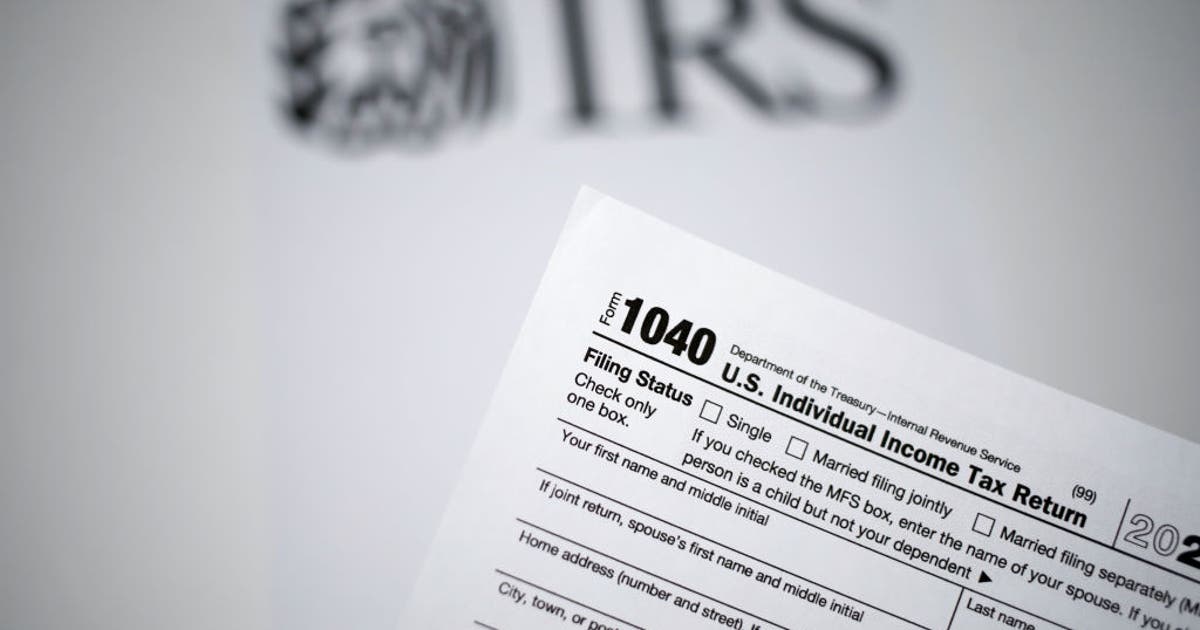
As the 2026 tax season gets underway, millions of Americans are focused on one important question: when will their IRS tax refund arrive. For many households, refunds are not extra spending money. They are often used to pay rent, handle medical bills, reduce debt, or cover everyday expenses. February is a critical month because it is when the first large wave of refunds usually reaches taxpayers who filed early.
When the IRS Started Accepting Returns
The IRS officially opened the 2026 tax filing season in late January. From that point, returns began moving through the system in batches. Filing early helps your return enter processing sooner, but it does not guarantee instant payment. Every return must pass accuracy and security checks before a refund can be approved.
How IRS Refund Processing Works
Refunds are not issued on a single national date. The IRS processes returns on a rolling basis. Electronic returns are handled much faster than paper filings because they enter the system immediately and require less manual work. Many simple electronic returns are processed within two to three weeks if there are no issues.
यह भी पढ़े:
 Where’s my refund? Timeline for taxpayers
Paper returns still take much longer. Taxpayers who mail their forms may wait several weeks or even longer if documents are missing or need review.
Expected February 2026 Refund Windows
Based on long-standing IRS patterns, taxpayers who filed electronically with direct deposit during the first days of the season may receive refunds in early to mid-February. Returns filed near the end of January often see deposits in the second or third week of February. Those filing in early February usually receive refunds closer to the end of the month.
These timelines apply only to uncomplicated returns. Any extra review can push refunds later.
Why Some Refunds Are Delayed
Refund delays in 2026 are often caused by expanded fraud screening. Even small income mismatches can pause processing. Refunds that include certain refundable credits are also delayed by law and cannot be released until mid-February, even if the return was approved earlier.
Identity verification requests are another reason refunds may stop temporarily. When verification is required, the IRS will not release payment until the taxpayer responds.
Direct Deposit vs Paper Checks
Direct deposit remains the fastest way to receive a refund. Once approved, funds typically appear in a bank account within one to three business days. Paper checks take longer because they must be printed and mailed, which can add extra time.
How to Track Your Refund
The IRS refund tracking tool updates once per day. It shows when a return is received, approved, and sent. Seeing no movement for several days is normal during review. If a refund takes longer than 21 days after electronic filing, additional processing may be needed.
What to Expect Overall
Most taxpayers who file electronically with direct deposit and have accurate returns should receive refunds before the end of February 2026. Returns involving credits or verification checks may take longer and move into March.
Understanding the refund process helps reduce stress and allows taxpayers to plan more realistically while waiting.
Disclaimer
This article is for informational purposes only and does not provide tax, legal, or financial advice. IRS refund timelines vary based on individual tax situations, filing accuracy, and processing requirements. Taxpayers should rely on official IRS tools or consult a qualified tax professional for guidance specific to their circumstances.