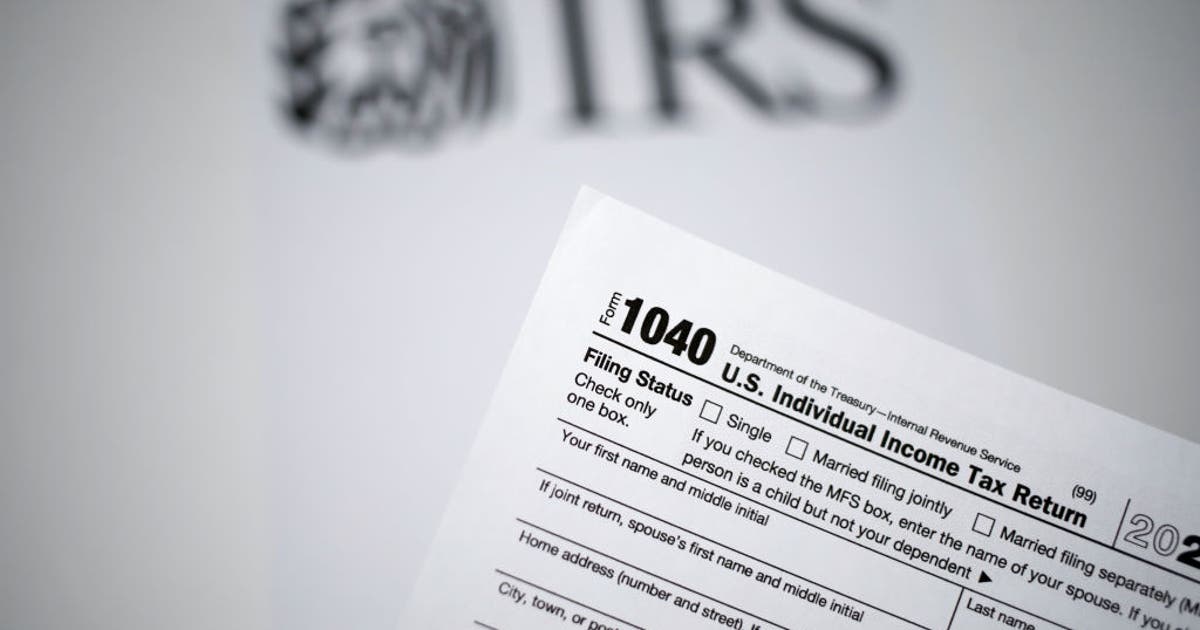
The U.S. tax season has officially begun, and many Americans are eager to know when their tax refunds might arrive. For households relying on refunds to manage expenses, pay bills, or rebuild savings, understanding the refund process can help reduce stress and uncertainty. With filing now open, refunds could begin reaching some taxpayers within just a few weeks.
When the 2025 Tax Filing Season Began
The Internal Revenue Service opened the 2025 tax filing season on January 26. From that date, taxpayers were allowed to submit their federal income tax returns. Although many people prepare their taxes early using online software, refunds cannot be issued until the IRS officially begins processing returns. Filing early may help taxpayers receive refunds sooner, especially before system backlogs increase.
यह भी पढ़े:
 IRS February 2026 Refund Timeline: Estimated Income Tax Refund Dates and Processing Updates
Who Qualifies for a Tax Refund
Tax refunds are issued to people who paid more federal tax than they owed during the year. This often happens through paycheck withholding. Even if someone did not overpay, they may still qualify for refundable tax credits such as the Earned Income Tax Credit or the Child Tax Credit. These credits can result in a refund even when no tax is owed.
How Long Refunds Usually Take
For most taxpayers who file electronically and choose direct deposit, the IRS says refunds are usually issued within 21 days. Some refunds may arrive even sooner if there are no issues with the return. Direct deposit remains the fastest and safest delivery method.
Paper returns take longer to process. These refunds can take four weeks or more because they must be manually handled. Returns that require corrections, amendments, or additional review may also face delays. Although the IRS is reducing the use of paper checks, they are still sent when no electronic option is available.
Delays Related to Credits and Staffing Issues
Refunds that include the Earned Income Tax Credit or child-related credits are legally delayed for extra verification. These refunds are expected to be available by early March for taxpayers using direct deposit.
Some delays may also occur due to staffing shortages within the IRS. Reports indicate that workforce reductions in past years have affected processing speed in some areas, though the IRS continues working to improve efficiency.
How to Track Your Refund
Taxpayers can track refund status using the official IRS “Where’s My Refund?” tool. Electronic filers usually see updates within 24 hours after their return is accepted. Paper filers may need to wait up to four weeks before tracking information appears.
Refund Size Expectations This Year
Last year, the average tax refund was just over $3,100. Analysts suggest that recent tax law changes could increase the average refund by around $1,000 this year, though actual amounts vary by individual.
Understanding the refund process helps taxpayers plan with confidence and avoid misinformation during tax season.
Disclaimer
This article is for informational purposes only and does not provide tax, legal, or financial advice. Refund amounts and timelines vary based on individual tax situations and IRS processing conditions. For the most accurate information, consult official IRS resources or a qualified tax professional.